Manchester United vs Olympiacos rarely produces a quiet evening. The 2014 Champions League round of 16 second leg remains the definitive reference point: a 3-0 United win that overturned a 2-0 first-leg deficit and turned Old Trafford into a pressure cooker. That night wasn’t about flawless football—it was about survival, and the tactical margins that decide European ties.Olympiacos arrived with a compact 4-2-3-1。
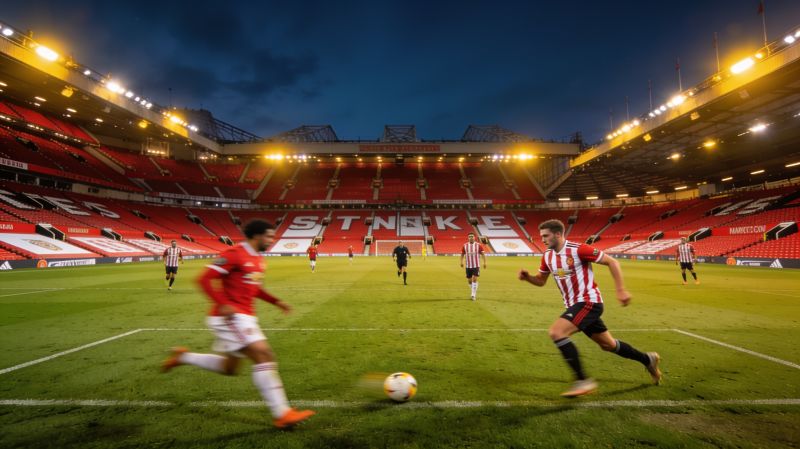
designed to suffocate central spaces and spring counterattacks through the wide channels. United’s response was instructive: instead of forcing passes through the middle, they stretched the pitch with early diagonals to the full-backs and overloaded the half-spaces. The first goal came from a set piece, the second from a deflected shot, the third from a late breakaway. None of it was pretty, but all of it was deliberate. In Manchester United vs Olympiacos fixtures, the Greek side’s discipline often frustrates United’s rhythm for long spells, and the 2014 second leg was no exception until the deadlock broke.What stands out from that tie is how little control United actually had. Olympiacos completed more passes in the first half of the second leg and pressed aggressively after losing possession. David Moyes’s side relied on individual moments—Robin van Persie’s penalty and Wayne Rooney’s relentless pressing—rather than sustained structural superiority. I’d argue that the result flattered United. A more clinical Olympiacos could have killed the tie on the counter, and that fragility has echoed in later Manchester United vs Olympiacos meetings at youth and friendly levels, where the Greek side’s organization repeatedly exposes United’s slow build-up.The midfield battle is where these games are won. Olympiacos tend to man-mark the deep-lying playmaker and force United’s center-backs to carry the ball into pressure. In 2014, Michael Carrick’s ability to receive on the half-turn and switch play was the escape valve. Without that, United looked pedestrian. Modern iterations of Manchester United vs Olympiacos would demand quicker vertical passing and more aggressive full-back overlaps to break the first line. Olympiacos’s full-backs tuck inside to form a back four narrow enough to deny central entries—United’s wide players must pin them back or the game becomes a sterile possession exercise.Set pieces decided the 2014 tie, and they still matter. Olympiacos conceded from a corner in the second leg, and their zonal marking scheme has shown cracks under sustained aerial pressure. United’s coaching staff should treat dead-ball situations as a primary scoring channel in any Manchester United vs Olympiacos matchup. The atmosphere at Old Trafford adds another layer—European nights demand patience, and Olympiacos thrive on silencing the crowd early. United’s tempo in the first fifteen minutes often sets the tone. Slow starts invite the away side to sit deeper and frustrate. The 2014 comeback worked because United scored before half-time, forcing Olympiacos to abandon their low block. Without that early breakthrough。these contests drift into the kind of grinding stalemate that suits the Greek side perfectly.